

Energy and Power in Panama
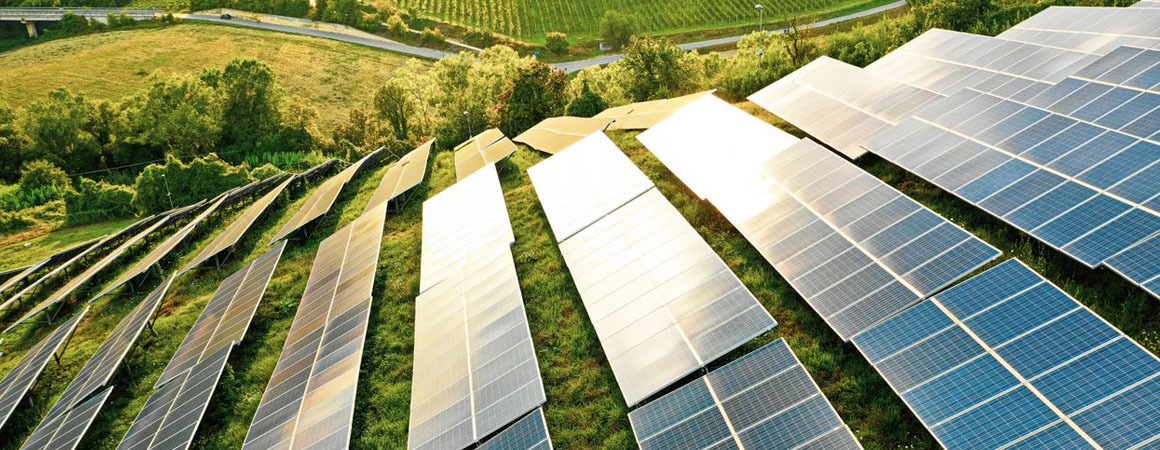
Panama’s energy and power sector currently relies heavily on imported oil for most of its total energy supply. As of 2020, the country had an installed capacity of 4,116 MW, consisting of fossil fuels (44.2%), hydro power (43.9%), wind (6.6%), and solar (5.2%).
According to the state power transmission company Etesa, energy demand in Panama is expected to grow at an average rate of 6% until 2030. The 2016–2030 expansion plan forecasts significant increases in electricity consumption and load demand driven by large-scale projects such as the Panama Canal expansion, new airport operations, and improvements to potable water and sewerage systems. The plan also envisions regional energy integration through the SIEPAC interconnection and a new link with Colombia, further positioning Panama as an energy hub for Central America.
In March 2016, the Panamanian government approved the National Energy Plan 2015–2050, which establishes a goal of achieving a 70% renewable energy matrix by 2050, with a strong focus on solar and wind generation.
Key Energy Investments
- Construction of a 4th transmission line with 1,280 MW capacity (500 kV, 330 km).
- Development of liquefied natural gas (LNG) generation plants, including AES’s 670 MW LNG facility in Colón and a new gas plant under development.
- Implementation of the Colombia–Panama interconnection line via an underwater 400 MW cable.
- Construction of the Changuinola II hydroelectric dam.
- Modernization and expansion of the national transmission and distribution network.
As part of its strategy to diversify the energy matrix, the Panamanian government enacted several laws between 2011 and 2013 that provide tax and operational incentives for renewable energy sources — including wind, biomass, solar, and natural gas generation.
Gas Power Incentives
- Tax credit of up to 5% of total direct investment for public infrastructure projects such as highways, bridges, schools, and health centers, as approved by the Ministry of Economy and Finance.
- Exemption from customs duties on imported machinery, equipment, and materials necessary for plant construction and operation.
- Right to apply accelerated depreciation for fixed assets.
- 20-year exemption from national taxes for companies manufacturing natural gas generation equipment in Panama.
Wind Power Incentives
- Tax credit of up to 5% of total direct investment for public infrastructure works approved by relevant authorities.
- Exemption from all taxes on the importation of equipment and materials used for construction, operation, and maintenance of wind generation plants.
- Accelerated depreciation for wind power equipment.
- 15-year exemption from national taxes for companies manufacturing or installing wind energy equipment in Panama.
Solar Power Incentives
- Tax credit of up to 5% of total direct investment for public infrastructure projects approved by the Ministry of Economy and Finance.
- Exemption from all taxes on importation of solar generation equipment and materials (including VAT on specific items).
- Right to apply accelerated depreciation for fixed assets.
In addition to these incentives, Panama also offers tax benefits for other renewable energy projects, including mini and small hydroelectric generation facilities, reinforcing its commitment to clean and sustainable energy development.
Business Panama Group together with Pardini & Asociados
provides a convenient One Stop Shop offering the services of...


Subscribe to our newsletters
Get news updates about Panama Investments,
Business, Immigration, Real Estate and more...
Doing Business in Panama 2026
An essential reading for the investor or company setting up a business for first time in Panama. Get our guide Doing Business in Panama completely FREE on the link below.
DOWNLOAD NOW!