

Panama Rainforests & Ecotourism
.jpg?alt=media&token=39937730-d79d-421f-a1b0-7b49e41ef307)
Panama is made up of a bridge of land that unites North and South America, together with numerous islands. Tourism is relatively new to Panama, which is currently viewed as an “off-the-beaten-track” type of destination, popular with backpackers. The country is so ecologically diverse, with rain forests, mountains, cloud forests and beautiful coastlines, that it has a great deal of potential for eco-tourism. The unique geographical location of Panama as a land bridge between two continents has contributed to one of the most complex ecosystems on earth. Panama is making an effort to protect its natural resources with 30% of land set aside for conservation, 25% of this land is designated as national parks, i.e. approximately 5 million acres.
The government of Panama foresees that tourism will become a major contributor to the country’s economy in the future, as well as a sustainable source of employment for indigenous rural communities. It is therefore keen to develop a tourism infrastructure, which at present barely exists, and is determined to do so in a responsible manner that will conserve native flora and fauna and preserve the national culture. There is currently no national master plan for tourism, but Costa Rica’s model for nature-friendly tourism is being followed in some regions. There are also plans for creating eco-resorts within the Panama Canal Watershed.
Of the 29 national parks, forest reserves and wild life refuges, five parks are within two hours’ drive of Panama City, and one is within the metropolitan area itself. According to the classification of US Botanist L.R. Holridge, the isthmus has twelve “life zones”. The Darien is a largely unexplored area of wilderness close to the border with Colombia.
Darien has the largest national park in Panama and the second largest in Central America. The Pan American Highway reaches as far as Yavitz but between Yavitz and Colombia the Darien Gap is untouched. These remote rainforests here have been declared a World Heritage Site and a Man and the Biosphere Reserve by UNESCO. The only major tourist project in this area is a world famous fishing lodge on the Pacific coast that can only be reached by air. Primeval rainforests, mystical cloud forests, cool mountain retreats, pristine beaches and islands, and seven thriving indigenous Indian cultures, support tremendous opportunities for the development of ecotourism.
Wilderness regions are large enough to support the larger cats of Central and South America. Among the 220 mammals and 354 reptiles and amphibians, are 125 animal species found nowhere else in the world. The dense jungle of the Darien or La Amistad National Parks is where you will find the Harpy Eagle, Panama’s national bird and believed to be the most powerful bird of prey in the world.
Darien is also the home of the Embera and Wounaan Indians. In Panama there are 954 recorded bird species of which 122 are migrants. The annual migrations of flocks of birds such as hawks and turkey vultures provide spectacular viewing. The famed quetzal is found in larger numbers in the Chiriqui Highlands than anywhere else in the world. The Audubon Society has long chosen this bird watchers’ paradise for regular tours and studies. Among the 10,000 species of plants found in Panama are 1,200 varieties of orchids, 1,500 types of trees, and 687 different ferns.
The Smithsonian Institute of Tropical Research has been studying plants and wild life in Panama for over 80 years. One of their seven major research centers is Isla Galeta in Colon, transformed into a world-class facility for international scientists to study mangrove habitats, coral formations and tropical birds. These studies have assisted in the monitoring and preservation of Panama’s Caribbean coastline where the islands and reefs shelter a fantastic diversity of marine life.
The Centro de Exhibiciones Marinas on the Causeway in Panama City is also run by the Smithsonian Tropical Research Institute and contains, among other exhibits, two aquariums that display fish from the Pacific and Caribbean Seas. Another of Panama’s popular ecotourism destinations is the Barro Colorado wildlife refuge at Lake Gatun, also a site of ongoing research by Smithsonian scientists. Panama is an incredibly beautiful and ecologically diverse country with low density tourism, and has enormous potential for the expansion of ecotourism and adventure travel.
Panama is fast becoming one of the most exciting ecotourism destinations in the world. An example of the recognition of tourist potential and entrepreneurial insight was the “recycling” of a former radar installation within Soberania National Park, transformed into one of the foremost eco-lodges specializing in birding.
Eco-adventure activities available in Panama include swimming, rock climbing, kayaking, whitewater rafting and snorkeling, as well as guided hikes into the forests and mountains with the opportunity to take an aerial ride through the forest canopy on a zip line. Jungle boat rides at Gatun Lake are a good way of seeing monkeys, sloths and iguanas, while a visit to an indigenous tribal settlement provides a cultural learning experience. The Emberas, along the upper reaches of the Chagres River, are particularly welcoming and happy to share their culture with visitors.
If you are planning an ecotourism project you will find many opportunities in Panama. To investigate the opportunities currently available, our real estate section lists eco-lodges or suitable land when available, or please click here to contact us.
Baru Volcano National Park (14,300 hectares)
Dominated by the extinct volcano Baru Volcan, at 3,475 meters above sea level, this is the highest elevation in Panama. On a clear morning both the Pacific Ocean and the Caribbean Sea can be seen from the peak. The resplendent quetzal can be found in the cloud forests on the slopes. Access is from the towns of Boquete and Volcan, located 498 kilometers from Panama City.
La Amistad International Park (407,000 hectares)
This park crosses the border shared by Panama and Costa Rica. It is a World Heritage site with great biodiversity and numerous endemic species. Seven of the twelve life zones are identified here. Also known as the Friendship Park, it is famous for the harpy eagle and quetzal, and is home to three indigenous Indian groups. Access is from Cerro Punta, Changuinola and Bocas del Toro, located 480 kilometers from Panama City.
Soberania National Park (22,104 hectares)
Soberania is known for its world-famous birding location – the Pipeline Road. The park contains excellent hiking trails and includes the Sendero Las Cruces – the cobblestone trail by which Peruvian gold was transported by mules to Nombre de Dios on its way to Spain. Fishing is permitted in Gatun Lake and the River Chagres. The park is located 25 kilometers from Panama City and is home to 105 species of mammals, 525 species of birds, 79 reptiles, 55 amphibians and 36 species of freshwater fish.
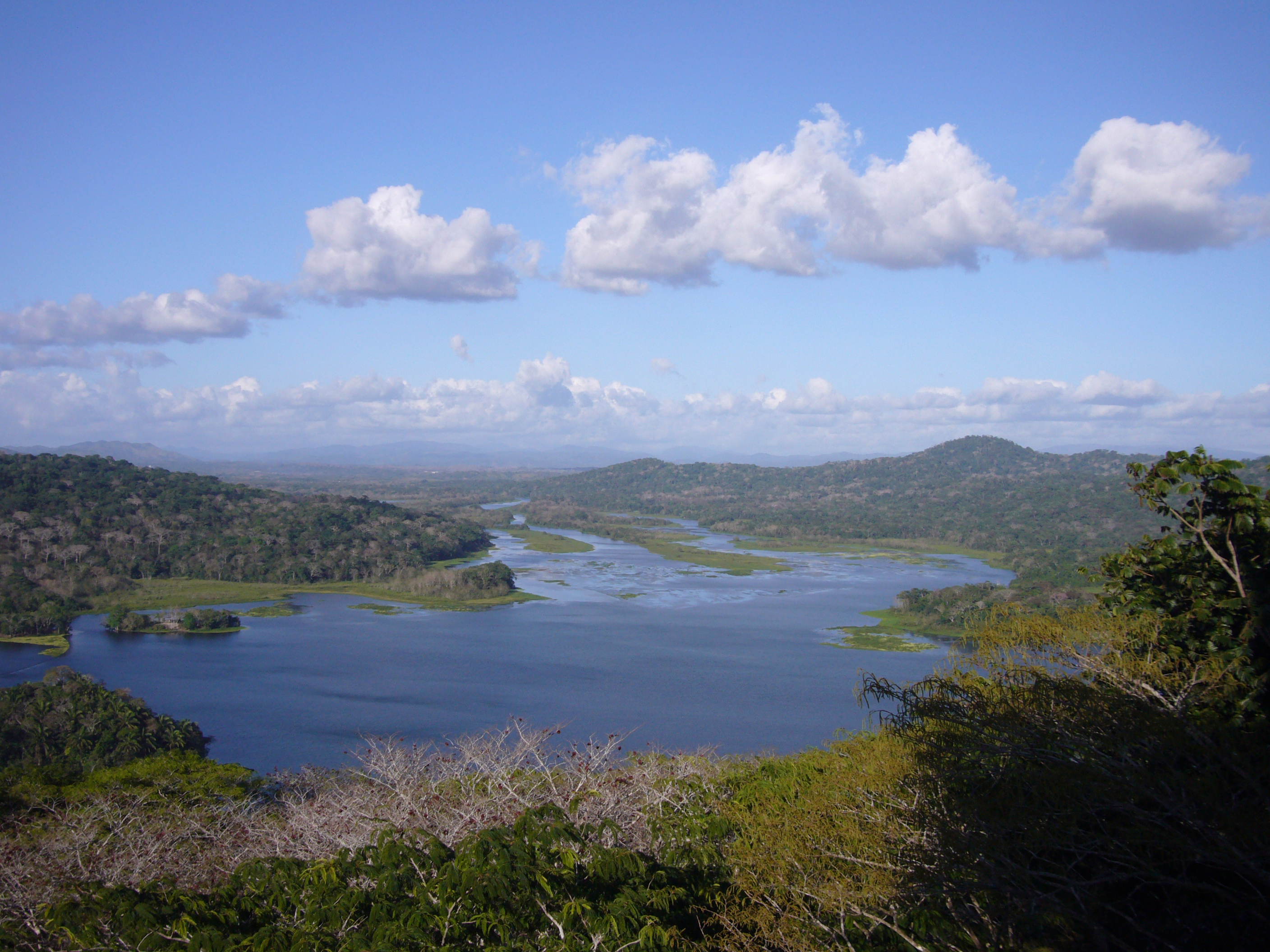 Chagres National Park (135,000 hectares)
This park preserves the main watershed of the Panama Canal including the Chagres River and Alajuela Lake, providing about 80% of the water needed for the canal’s operation and all the drinking water for Panama City. Excellent hiking trails pass through elfin forest and much of the historic Camino Real. Embera Indians have settlements here. Located 40 kilometers from Panama City, the park ensures the sustainable operation of the canal and the water supply for nearby cities.
Metropolitan National Park (265 hectares)
Just 15 minutes north of downtown Panama City, this park features numerous nature trails and serves as an environmental education center. It is home to more than 250 species of birds and 40 species of mammals, offering panoramic views of the city, the canal, and the port of Balboa from Cerro Mono Titi.
Camino de Cruces National Park (4,950 hectares)
This park was created to form an ecological corridor between Soberania and Metropolitan National Parks, ensuring the free flow of wildlife and protecting the Panama Canal basin. Covered 85% by tropical forest, it hosts diverse fauna, rivers, and waterfalls, as well as historical trails such as the Camino Real cobblestone path used by the Spanish for gold transport.
Bastimentos Island National Park (13,226 hectares)
Located in the Bocas del Toro Archipelago, this mostly marine park features white sand beaches, mangroves, and coral reefs that are home to over 200 species of tropical fish. Sea turtles nest on Playa Larga beach from April to October, and visitors can observe monkeys, sloths, iguanas, and the distinctive red poison dart frog.
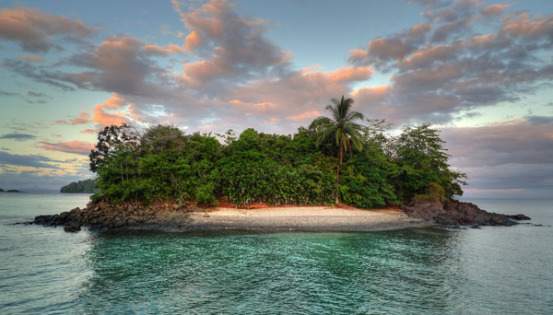 Coiba Island National Park (270,125 hectares)
This remote park is one of Panama’s natural treasures, including islands, reefs, and 240 km of coastline. Once a penal colony, its isolation preserved a pristine ecosystem. It is a top site for whale watching and home to 36 species of mammals, 147 of birds, and 39 of reptiles, including the last population of scarlet macaws in Panama.
Darien National Park (576,000 hectares)
Darien National Park is Panama’s largest park, designated a UNESCO World Heritage Site and biosphere reserve. This dense rainforest shelters rare wildlife such as the harpy eagle, jaguar, ocelot, and giant anteater. The park is home to Embera and Wounaan communities and serves as a vital ecological barrier between Central and South America.
Business Panama Group together with Pardini & Asociados
provides a convenient One Stop Shop offering the services of...



Subscribe to our newsletters
Get news updates about Panama Investments,
Business, Immigration, Real Estate and more...
Doing Business in Panama 2025
An essential reading for the investor or company setting up a business for first time in Panama. Get our guide Doing Business in Panama completely FREE on the link below.
DOWNLOAD IT NOW!